
Dream League is a high-powered, always-on flag football experience built for people who want more than just games.
It’s designed for players who care about preparation, identity, and competition that lasts beyond a single night, and for general managers who think in systems, seasons, and long-term strategy. This isn’t a league you simply join. It’s something you step into.
For players, Dream League offers a deeper kind of competition, one where teams matter, roles are earned, stats are tracked, and every game lives inside a larger story. For general managers, it’s an opportunity to build from the ground up: shaping a franchise, managing people and decisions, and guiding a team through an always-on competitive ecosystem. Different responsibilities, same commitment, and the same expectation that what happens here actually means something.
Engineered, not improvised
Dream League is designed, not improvised. It operates with structure, defined phases, and intentional progression built into every layer of the league. This is not a collection of games. It’s a system that connects decisions, roles, and outcomes over time.
Teams and players compete inside a framework built for continuity, accountability, and long-term thinking.
That structure is what makes Dream League always on. Even when games aren’t being played, the league remains active through planning, evaluation, and preparation for what comes next.
Dream League Design
What is Dream League?
General Manager Path
1. Claim a Franchise
General Managers begin by claiming a franchise and defining its identity, standards, and long-term direction.
2. Set the Foundation
Each franchise begins with its general manager as the first active player. From there, the roster is built through the draft, where first-round selections often become the franchise cornerstones.
3. Operate Under the Salary Cap
General Managers build and manage their roster under a metaphorical salary cap (e.g. $100 million), using combine evaluations and assigned player salaries to make strategic decisions.
4. Build Through the Draft and Free Agency
GMs draft from the available player pool, then continue shaping the roster through free agency, trades, and releases.
5. Manage Continuity Across Seasons
General Managers plan beyond a single season, balancing performance, development, and future flexibility as the league evolves.
Player Path
1. Enter as an Individual
Players join Dream League on their own, not as pre-formed teams.
2. Combine Evaluation + Metaphorical Salary
Players are evaluated at the combine and assigned a metaphorical salary tied to performance and projection.
3. Draft Pool → Free Agency
All players enter the draft pool. In Season One, 88 players are selected to complete the initial 12-player rosters across eight franchises. Players not selected move directly into free agency, where they remain eligible to be signed throughout the season.
4. Earn and Hold a Role
Players earn roles through performance, reliability, and fit and are expected to sustain that standard.
5. Player Movement + Future Seasons
Players may be traded, released, or re-signed as rosters evolve and new seasons take shape.
Data, Media, and Visibility
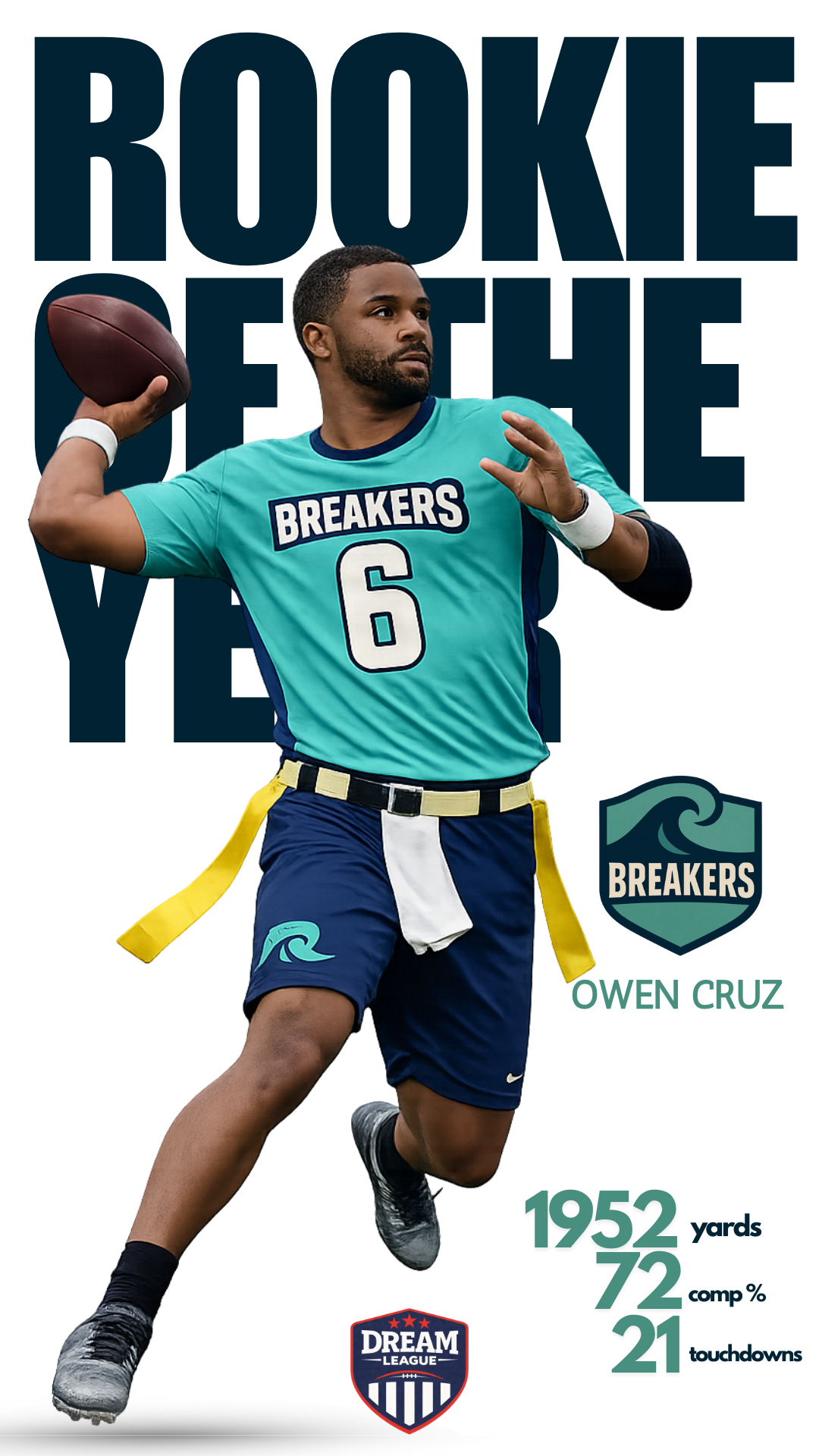
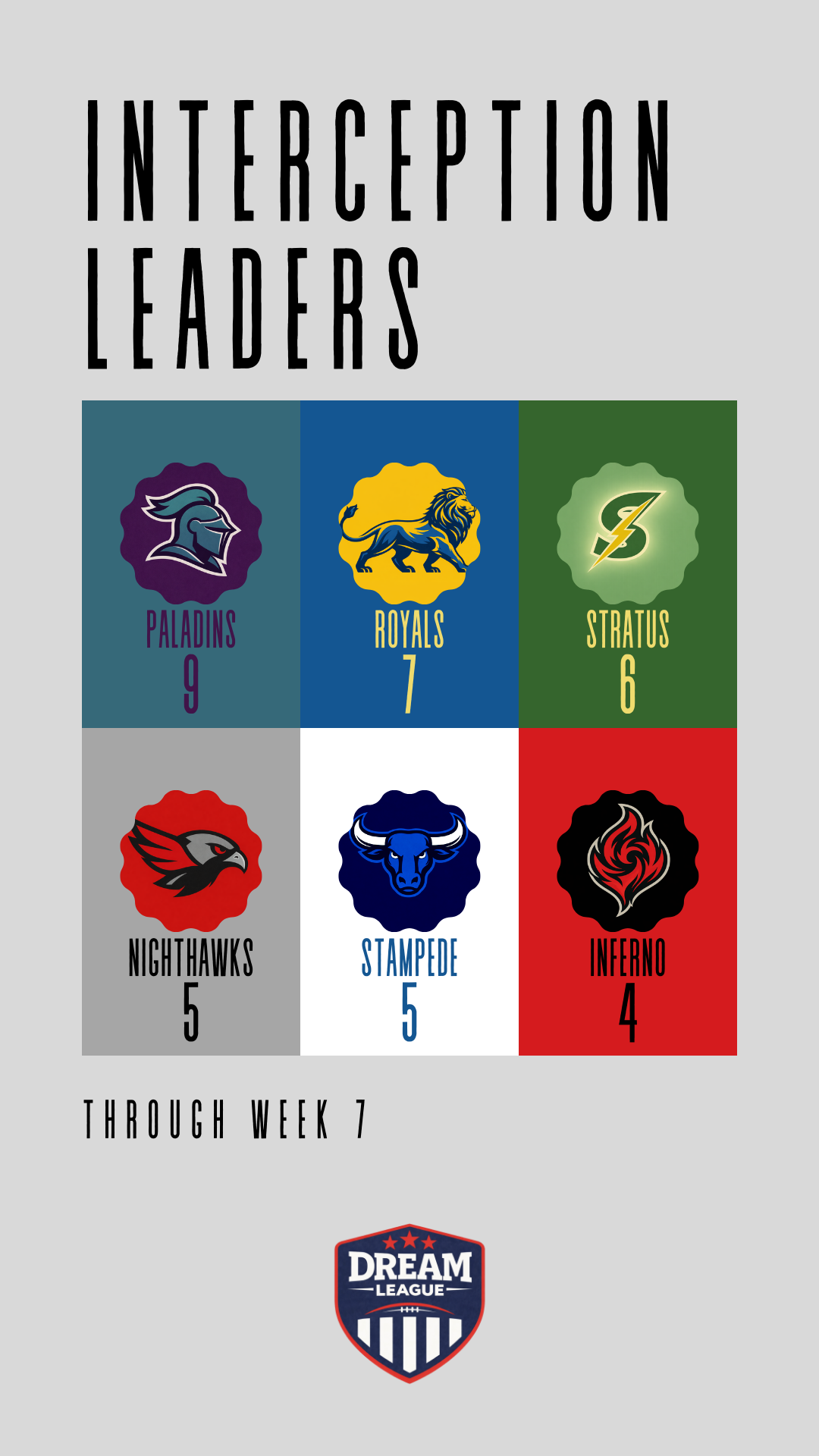
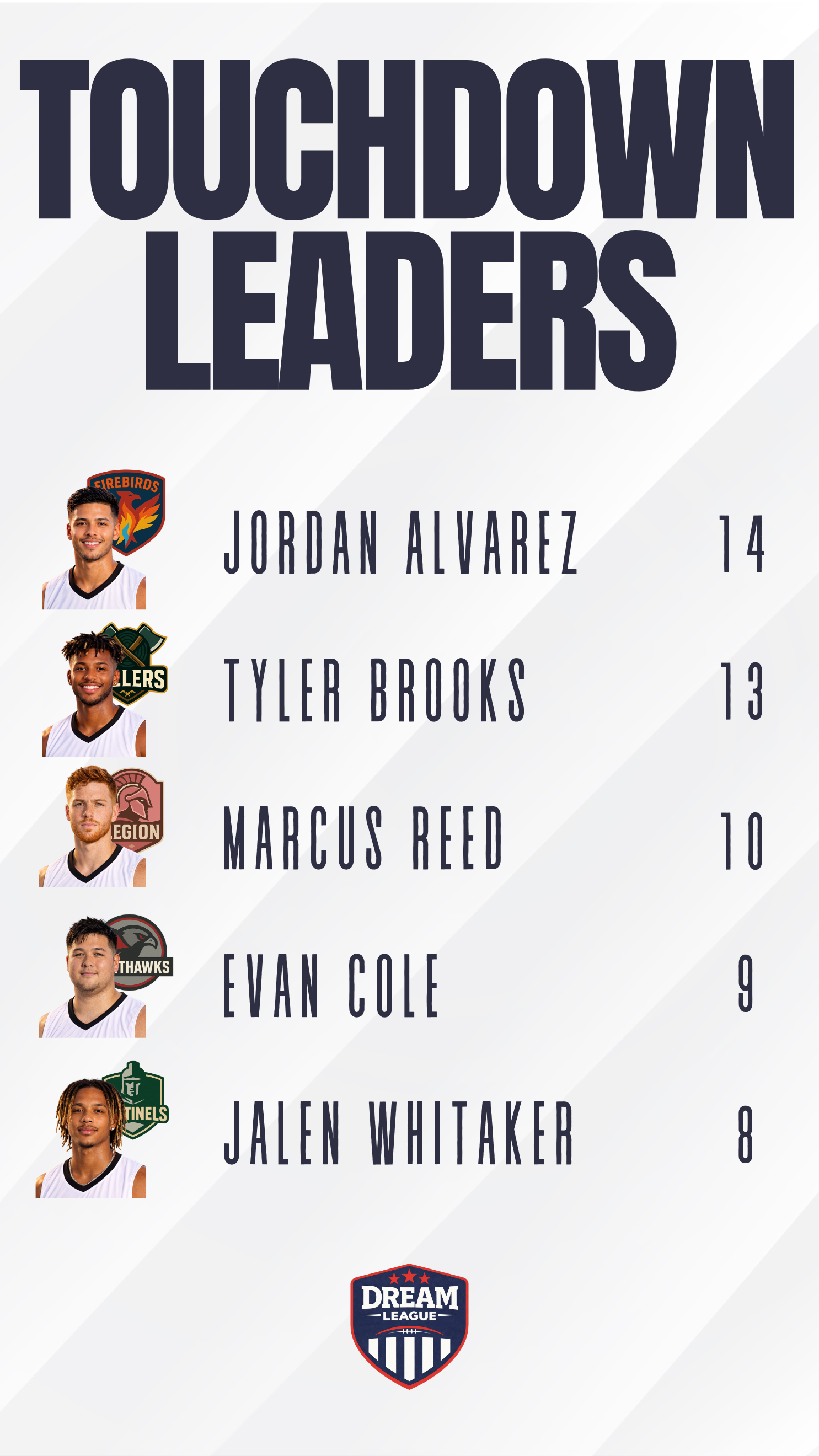
Dream League treats data and media as core infrastructure, not extras. Performance is tracked, decisions are recorded, and outcomes live on beyond a single game. Stats aren’t just numbers; they’re context for evaluation, discussion, and long-term comparison.
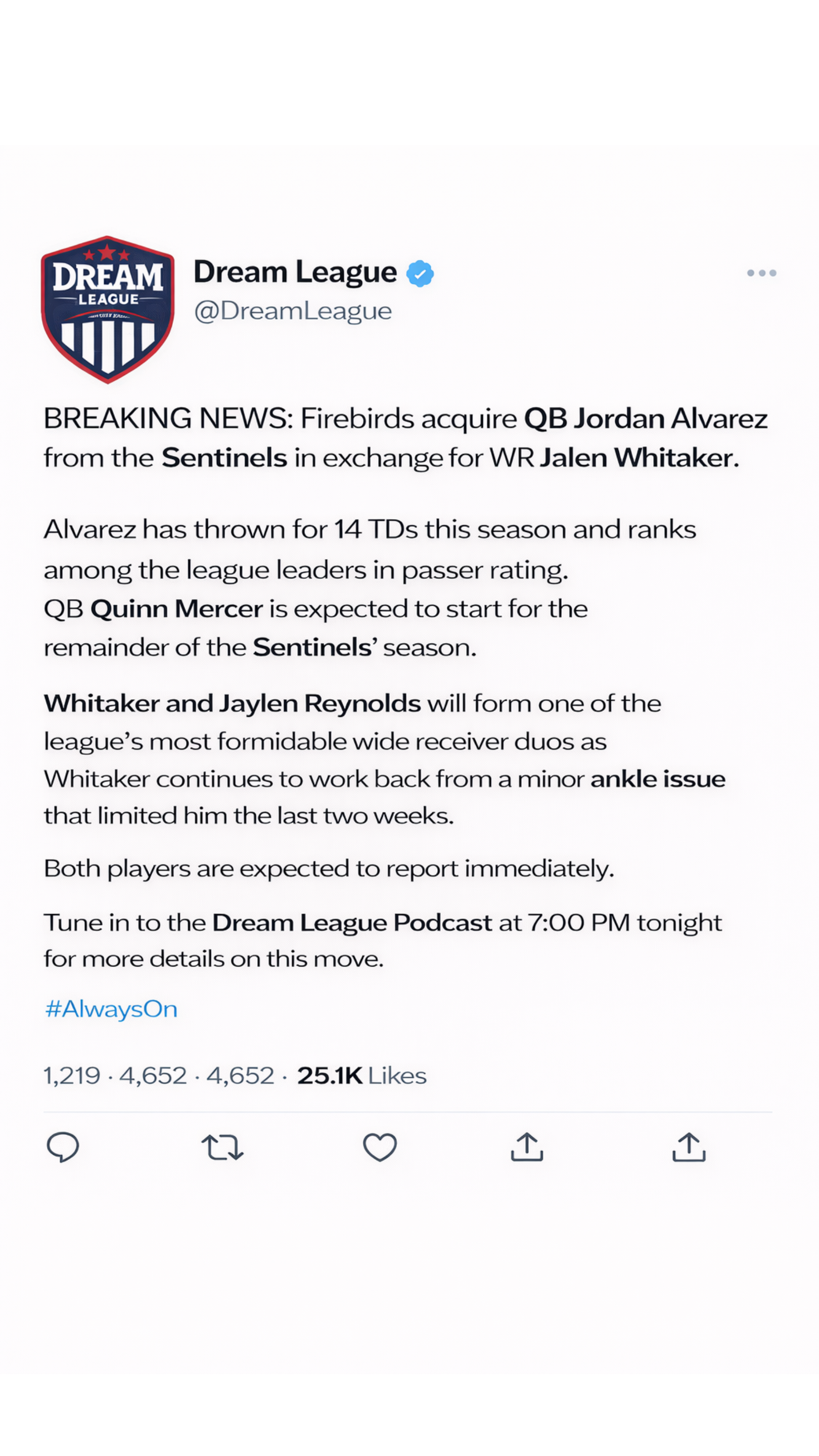
Every part of the league is designed to be visible. Games, players, teams, and decisions are surfaced through media, storytelling, and ongoing coverage. From podcasts and highlights to live streams and recaps, Dream League is built to be followed, discussed, and remembered.
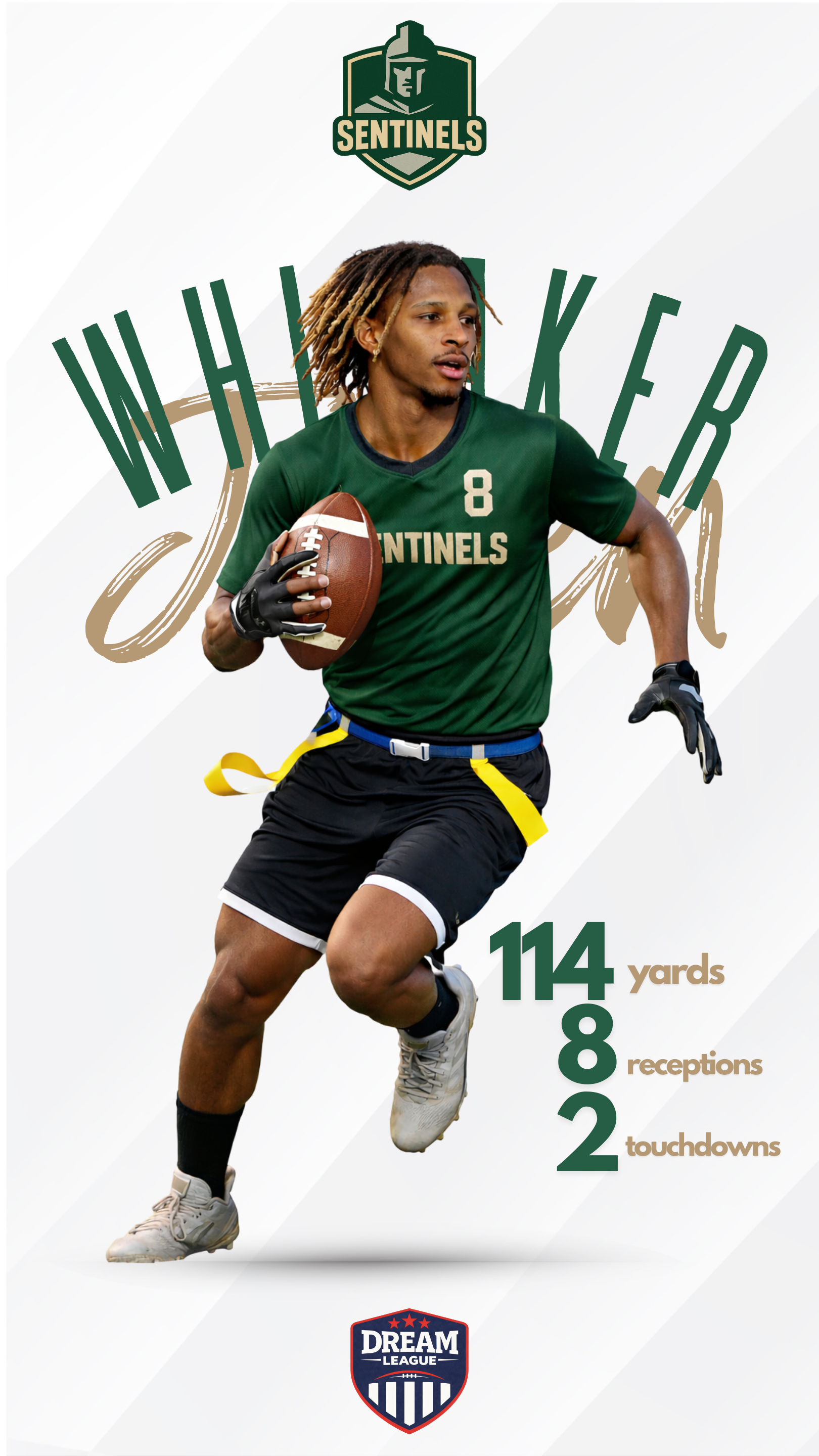
Each franchise is also treated as a complete visual identity. Teams have consistent logos, brand marks, color systems, and full uniform designs that carry across seasons. These elements give teams permanence, give players something real to represent, and give the league a shared visual language that reinforces continuity and legitimacy.
Deliberate Expansion
Dream League is built to grow, but not all at once. The long-term plan is to expand to 32 teams by 2029, with growth driven by alignment, leadership, and readiness rather than speed.
Teams become active when the right General Managers step forward to lead them. This ensures that every franchise enters the league with intention, identity, and stability from day one. Expansion isn’t a race to fill slots, it’s a process that protects the league’s structure, culture, and competitive balance.
By growing deliberately, Dream League preserves what makes it different. Early teams help set the standard, later teams inherit a system with history, continuity, and meaning already built in.
An Invitation
Dream League is still early by design. Teams are being claimed, systems are being built, and the foundation is taking shape. That early stage is part of the opportunity, not something to wait out.
If this way of thinking about competition resonates, there’s room to be involved from the beginning. Whether as a General Manager or a player, participation now helps define what this becomes later.
The next step is simple: step in.